
By History by Candlelight
Anne of Cleves is often reduced to a single moment in Tudor history — the queen Henry VIII “didn’t like.” But her real story is far more compelling. In a court filled with danger, shifting loyalties, and deadly politics, Anne emerged not as a victim, but as one of the most successful survivors of Henry’s reign. Her life is a lesson in quiet strength, diplomacy, and knowing when to step back to secure a better future.
A Princess from the Duchy of Cleves
Born in 1515 in Düsseldorf, Anne grew up in a world very different from the glittering, theatrical Tudor court. The Duchy of Cleves valued modesty, duty, and household management over music, languages, or courtly flirtation. Anne wasn’t trained in the arts that Henry admired in women — she didn’t dance, sing, or play instruments — but she was raised to be steady, loyal, and practical.
These qualities would become her greatest strengths.
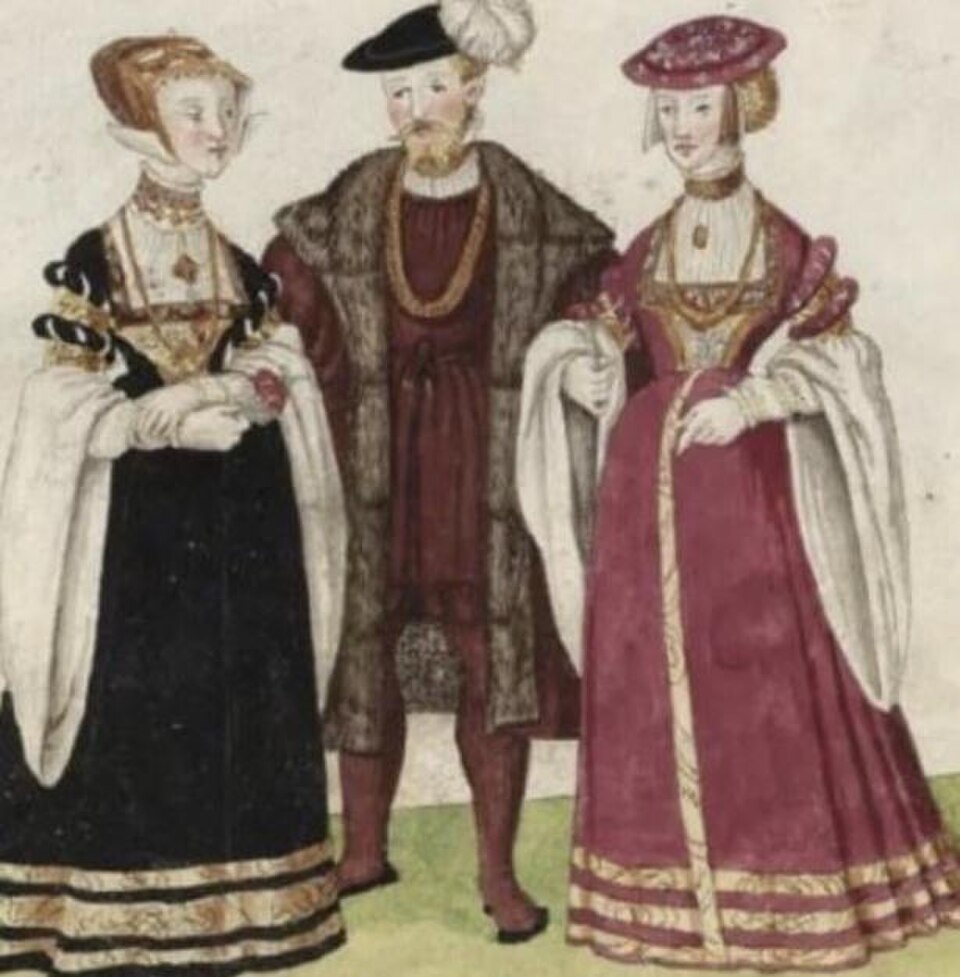
Anne of Cleves (in black) with her siblings Amalia of Cleves (in pink), and William V of Cleves depicted in the Códice de trajes.
A Marriage Built on Politics, Not Romance
By the late 1530s, Henry VIII needed allies. Europe was shifting, and Thomas Cromwell pushed for a Protestant alliance with the German states. Anne’s brother, Duke Wilhelm, was a powerful figure — and a marriage to Anne seemed politically perfect.
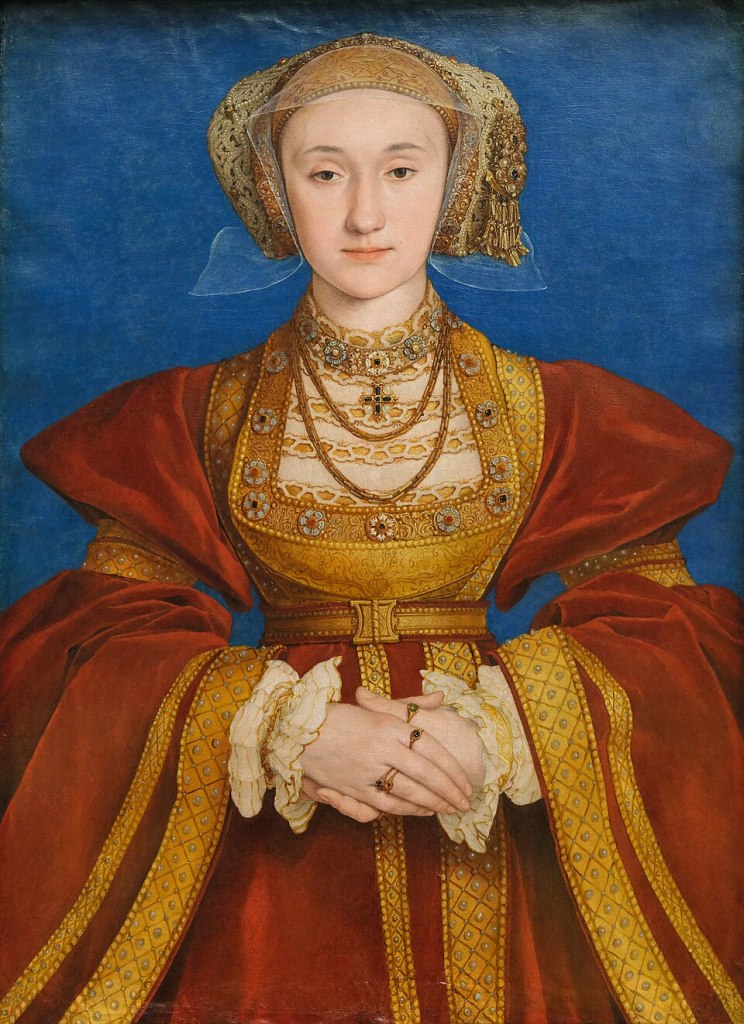
Hans Holbein was sent to paint her portrait. Henry loved what he saw.
But portraits can only tell part of the story.
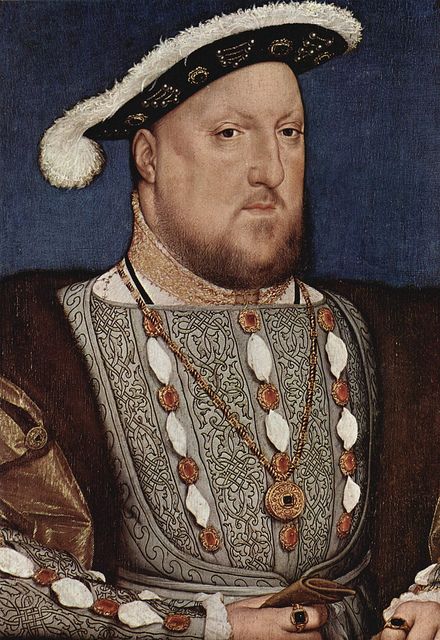
When Henry met Anne in person, he felt disappointed — not because she was unattractive, but because she didn’t match his expectations of a lively, flirtatious court lady. Anne, unfamiliar with English customs, didn’t respond to Henry’s theatrical greeting. The king took it as a personal slight.
Still, the marriage went ahead. Politics demanded it.
A Brief and Awkward Royal Marriage
Anne and Henry married on 6 January 1540. The union was polite but strained. Henry claimed he could not consummate the marriage, blaming everything from Anne’s appearance to his own “unreadiness.” Anne, confused but obedient, tried her best to please him.
Within months, Henry sought an annulment.
Most queens would have panicked. Anne did not.
Anne’s Triumph: “The King’s Beloved Sister”
When Henry asked for an annulment, Anne agreed without protest. She understood the danger of resisting a king who had already executed two wives. Her calm acceptance changed her fate entirely.
Henry rewarded her with:
- A generous financial settlement
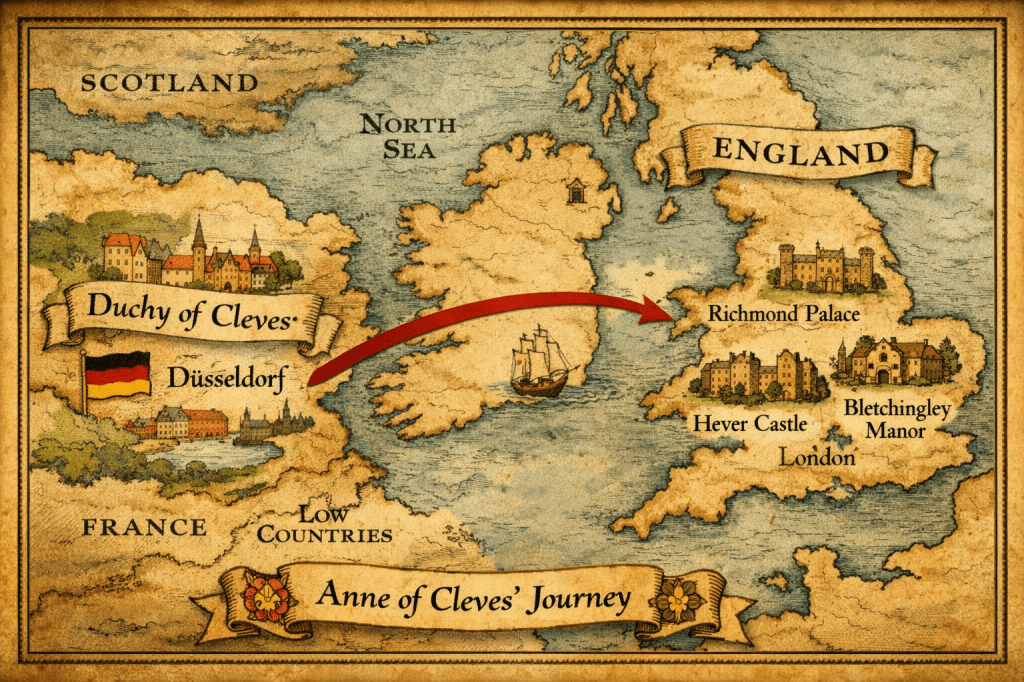
- Several grand estates, including Hever Castle
- A new title: “The King’s Beloved Sister”
- A place of honour at court
- Freedom — something no other Tudor queen enjoyed
Anne became one of the wealthiest women in England, with independence rare for her time. She attended court events, visited Henry’s children, and maintained warm relationships with Mary, Elizabeth, and Edward.
She had escaped the Tudor court’s most dangerous trap: Henry’s displeasure.
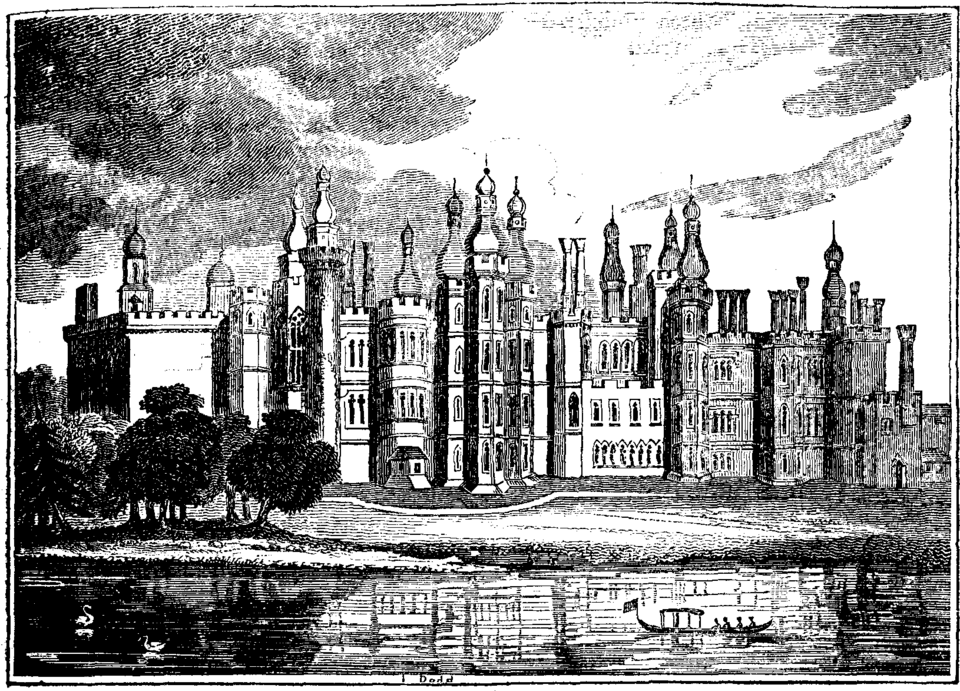

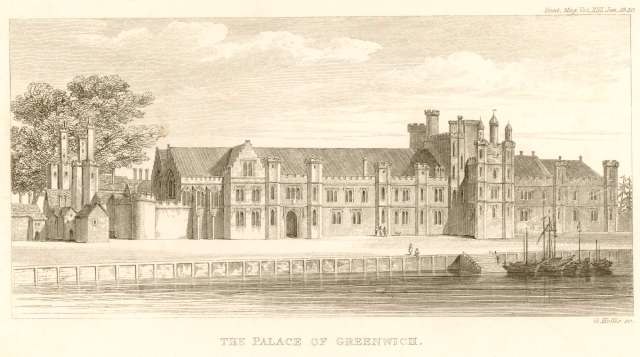
Richmond Palace & Hever Castle are just two residences that Anne of Cleves resided at after her marriage to Henry VIII was annulled
Life After Henry VIII
Anne lived comfortably for the rest of her life. She enjoyed her homes, her household, and the stability she had earned. She remained respected and admired, known for her gentle nature and diplomatic grace.
She outlived Henry VIII and all of his other wives.
Anne died in 1557 and was buried in Westminster Abbey — a quiet honour for a woman who navigated one of the most treacherous courts in history with intelligence and dignity.

Why Anne of Cleves Still Captivates Us
Anne’s story is not one of romance or tragedy, but of resilience. She entered England as a political pawn and left as one of the most secure women of her age. She avoided scandal, execution, and the heartbreak that defined the lives of Henry’s other wives.
She turned a failed marriage into a personal victory.
Anne of Cleves reminds us that strength doesn’t always roar. Sometimes it looks like grace, patience, and knowing when to walk away.


Leave a comment