
By History by Candlelight
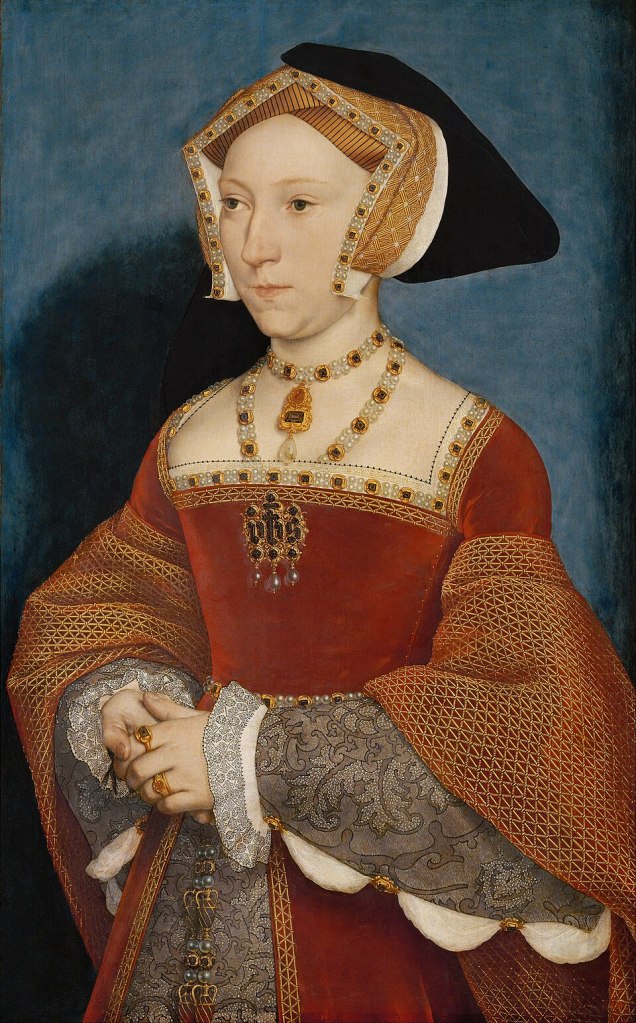
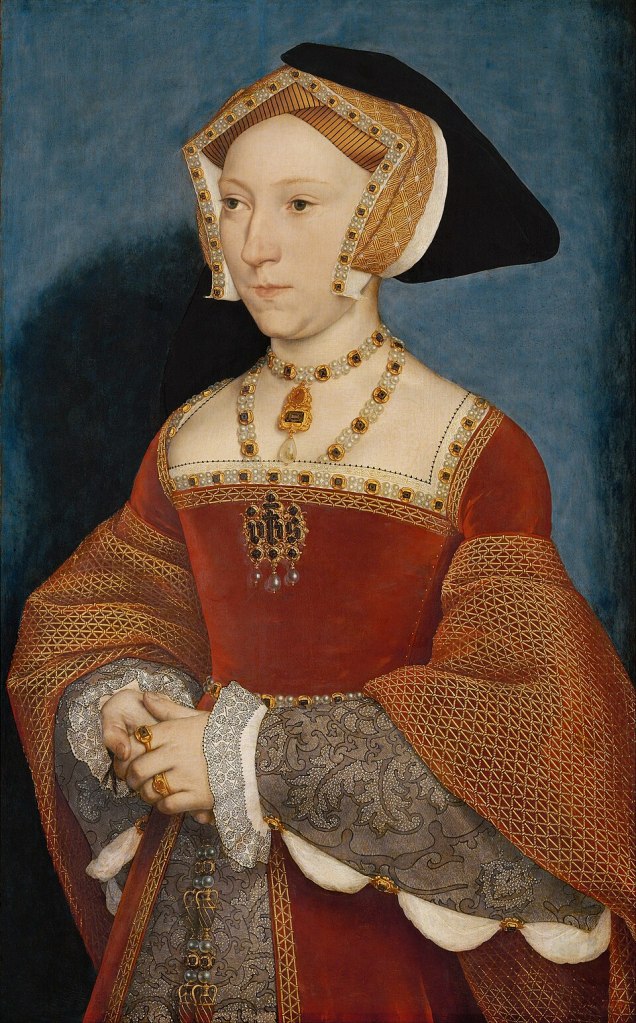
There are moments in Tudor history where the noise softens, the candlelight steadies, and a gentler figure steps forward. Jane Seymour is one of those moments — a queen whose story is often overshadowed by the drama around her, yet whose presence shaped the Tudor world in quiet, lasting ways.
She arrived not with thunder, but with stillness.
A Gentle Presence in a Storm of Queens
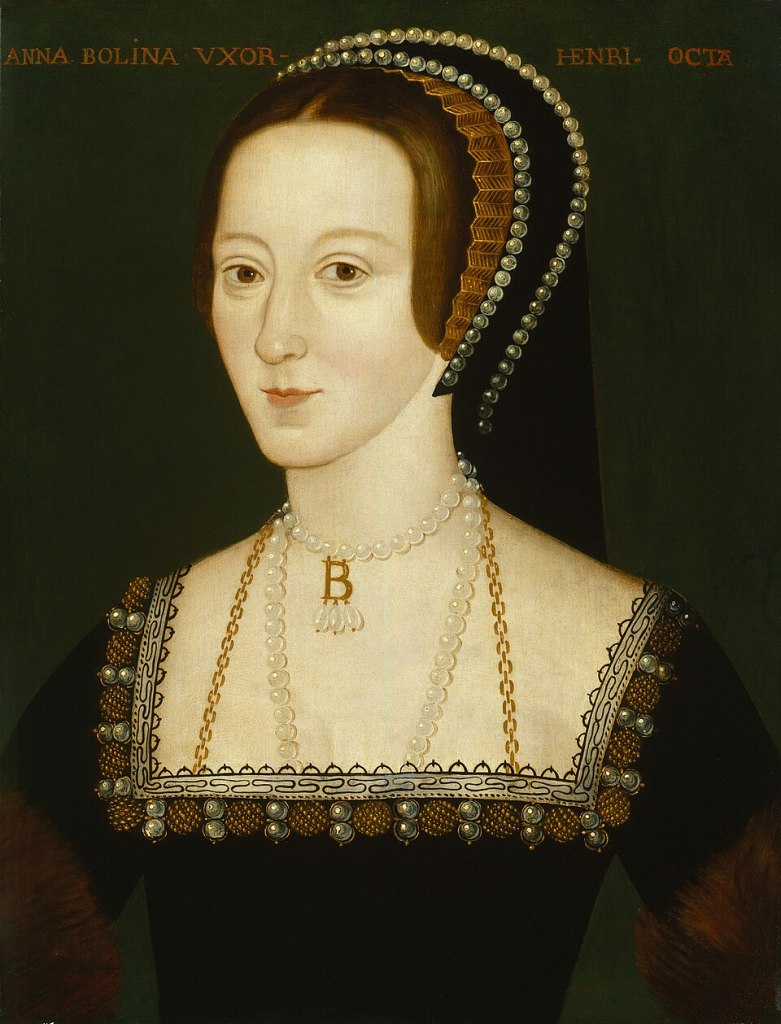
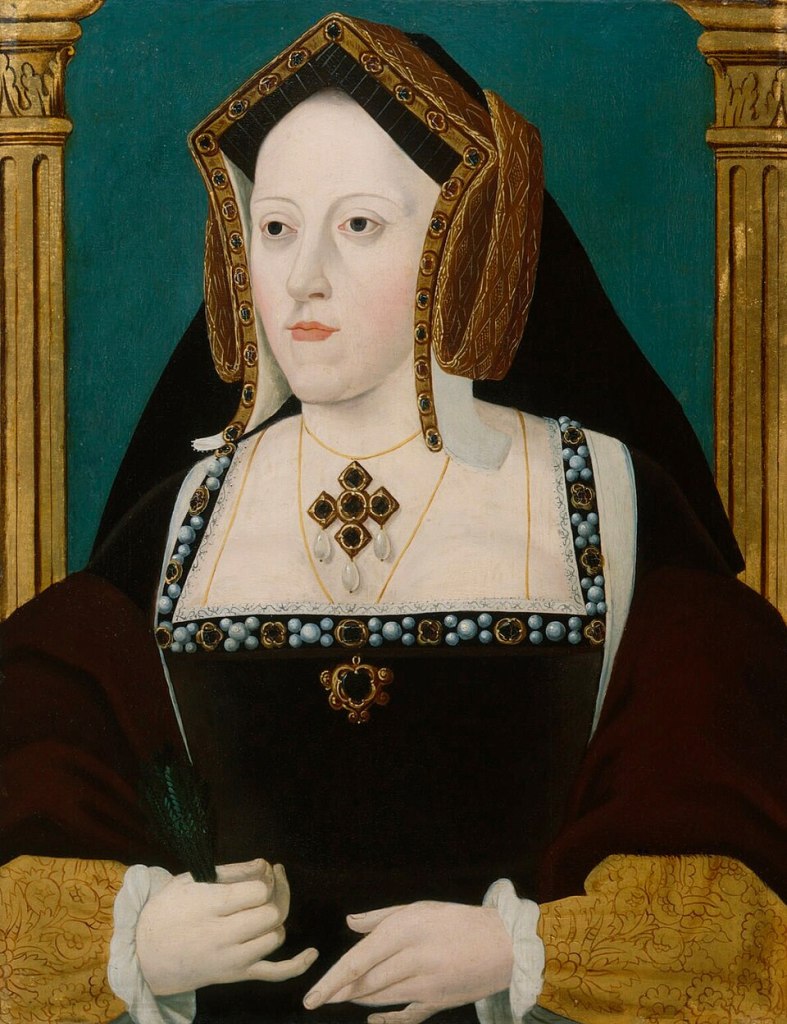
Jane Seymour’s early life at court placed her in the shadow of two powerful queens: Catherine of Aragon and Anne Boleyn. She watched the rise and fall of both, learning the rhythms of a court that thrived on whispers, alliances, and sudden turns of fortune.
Where Catherine was steadfast and Anne was brilliant and bold, Jane was something else entirely — calm, observant, and deeply rooted in traditional values. Her gentleness wasn’t weakness; it was a kind of quiet strength that Henry VIII found soothing after years of turmoil.
Henry’s Third Wife — and His Long‑Awaited Hope
When Jane became queen in 1536, the court shifted. Her household was modest, her manner soft, her ambitions carefully folded away. She didn’t seek to dazzle or dominate. Instead, she focused on peace — reconciling Henry with his daughter Mary, easing tensions, and restoring a sense of order.
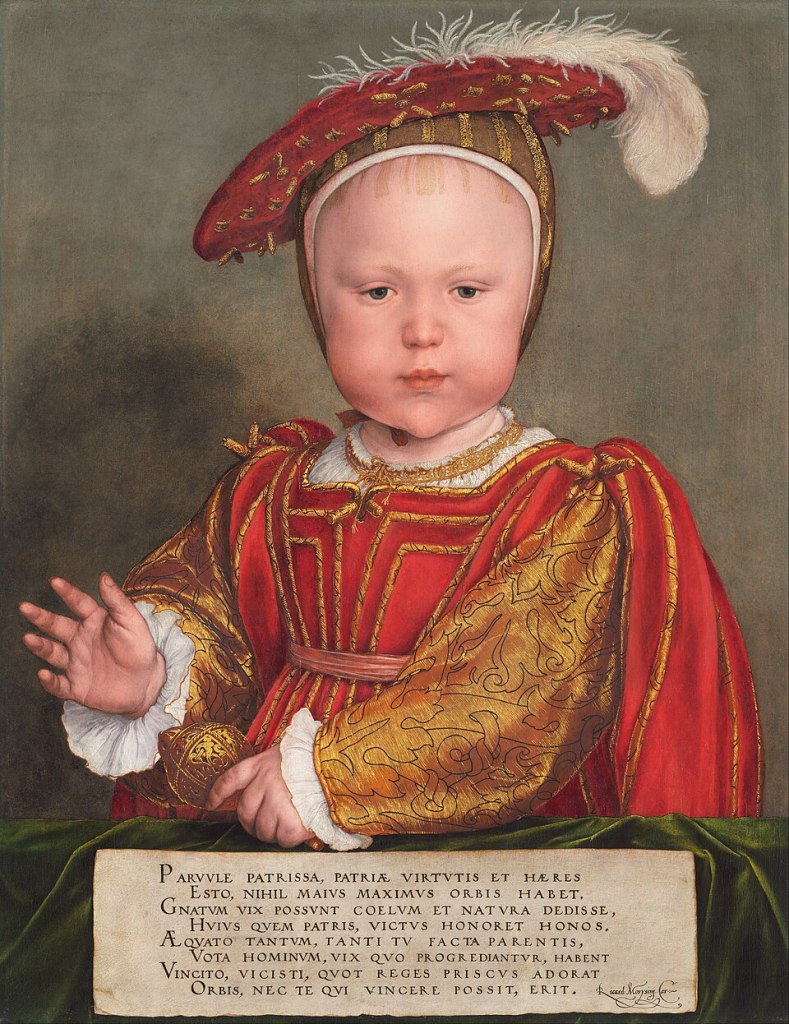
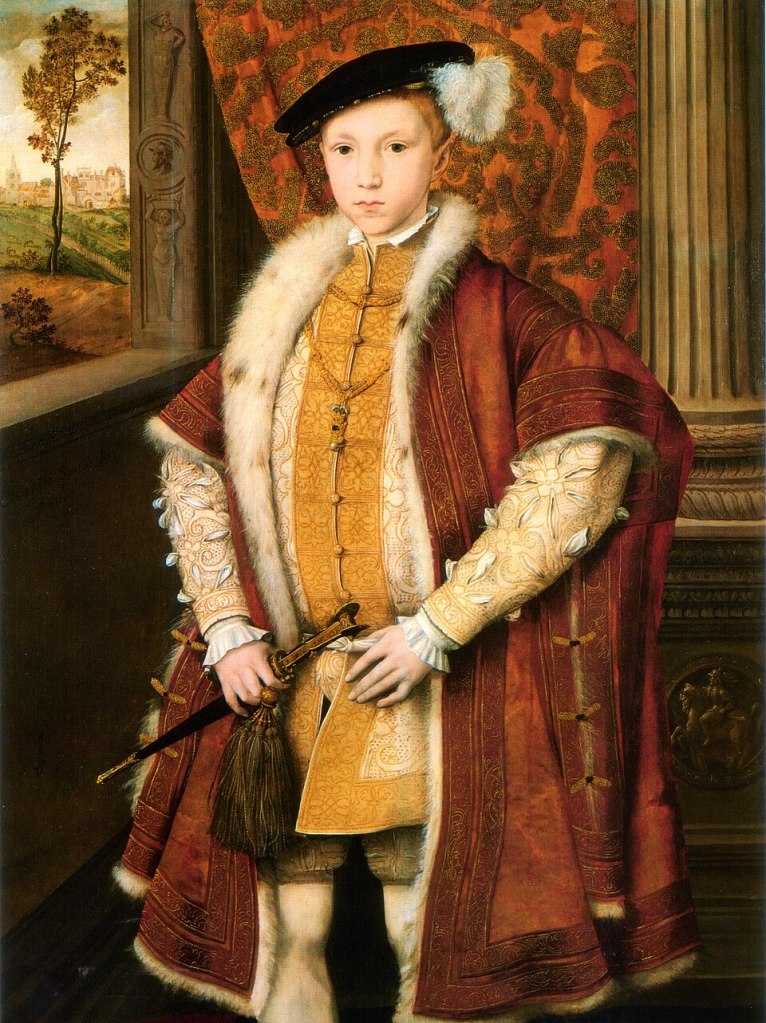
But her greatest legacy came in October 1537, when she gave birth to Prince Edward, the son Henry had long prayed for. For a brief moment, Jane Seymour stood at the very heart of Tudor triumph — the mother of the future king.
A Life Brief, Yet Deeply Felt
Jane’s story is marked by tenderness and tragedy. Just twelve days after Edward’s birth, she died from complications of childbirth. Henry mourned her more deeply than any of his other wives, calling her his “true wife,” and choosing to be buried beside her at Windsor.
Her reign was short, but her impact was profound. In a court defined by ambition and upheaval, Jane Seymour remains a symbol of gentleness — a queen whose quiet presence changed the course of Tudor history.

The floor slab in St George’s Chapel marking the vault where Jane Seymour and Henry VIII lie together.
Why Jane Still Matters Today
Jane’s legacy invites us to look beyond the loudest voices. She reminds us that strength can be soft, influence can be subtle, and a life doesn’t need to be long to be meaningful.
Her story is a candlelit pause in the storm — a moment of stillness in a dynasty defined by fire.
What do you think of Jane Seymour — does her quiet nature make her the most overlooked Tudor queen, or the most intriguing?


Leave a comment