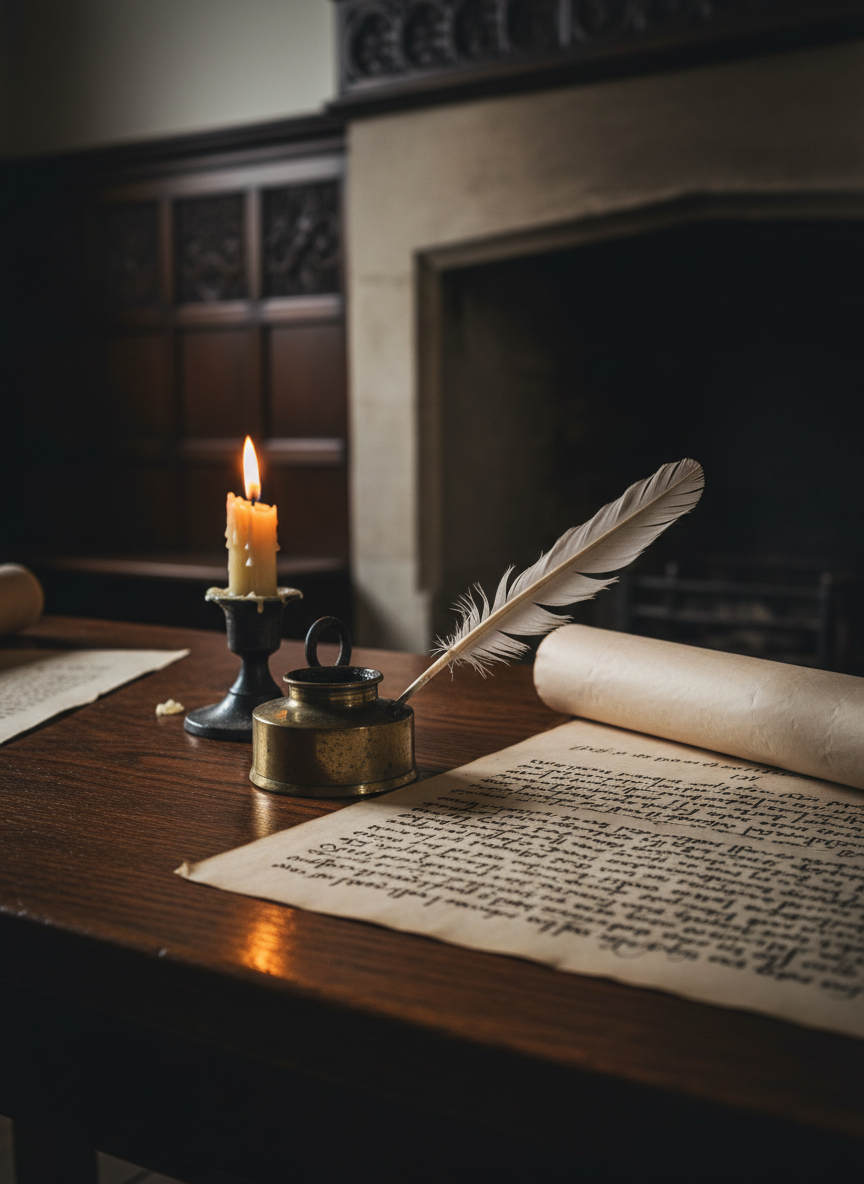
By History by Candlelight
In the soft glow of Tudor candlelight, Lady Jane Boleyn — also known as Lady Rochford — walked the corridors of court with a mixture of duty, caution, and quiet resilience. Her name is often tied to tragedy, whispered in connection with the downfall of queens and the rise and fall of the Boleyns. But behind the stories and accusations was a woman navigating one of the most dangerous courts in English history.
Today, we step gently into her world.
…
🌿 A Young Woman at Court
Jane Parker was born into a respected noble family, raised with the education and refinement expected of a Tudor gentlewoman. She entered court as a lady‑in‑waiting — a role that demanded grace, obedience, and constant awareness of shifting alliances.
Her marriage to George Boleyn, brother of Anne Boleyn, placed her directly inside one of the most influential families of Henry VIII’s reign. It was a union that tied her fate to theirs, for better or worse.
…
🌙 Life in the Boleyn Household
Jane’s marriage brought her into the heart of ambition. The Boleyns were rising fast — Anne was captivating the king, George was gaining influence, and the court buzzed with their power.
But power in Tudor England was never gentle.
Jane’s relationship with her husband has long been debated. Some portray it as strained, others as politically pressured. What we do know is that Jane lived within a household where every word mattered, every gesture was watched, and every rumour could become a weapon.

The signature of Lady Jane Boleyn, Lady Rochford — a small surviving trace of her presence at the Tudor court, written in her own hand.
…
🕯️ The Fall of Anne and George
In 1536, the world Jane knew collapsed.
Anne Boleyn and George Boleyn were arrested, accused of treason, adultery, and conspiracy. Jane’s name appears in the records as someone who provided information to investigators — though historians continue to debate what she truly said, and how much was shaped by fear, pressure, or political manipulation.
What is certain is this: Jane witnessed the destruction of her husband and sister‑in‑law, and she survived it.
Survival in Tudor court was not simple. It required silence, obedience, and the ability to keep moving forward even when the candlelight flickered dangerously low.
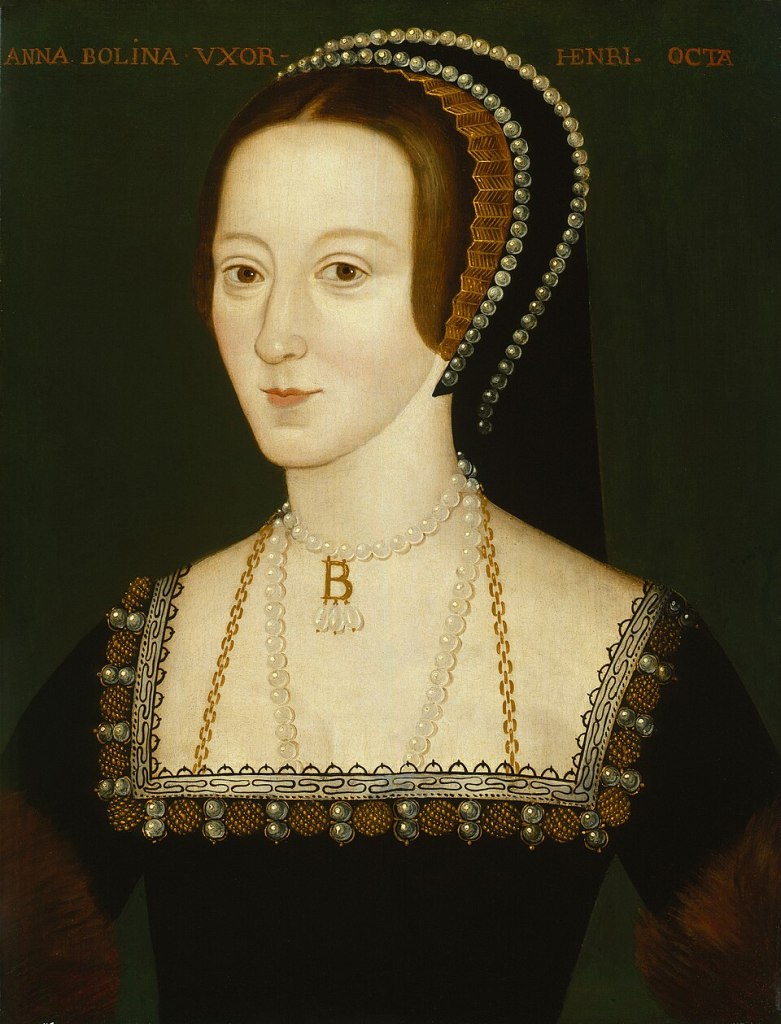
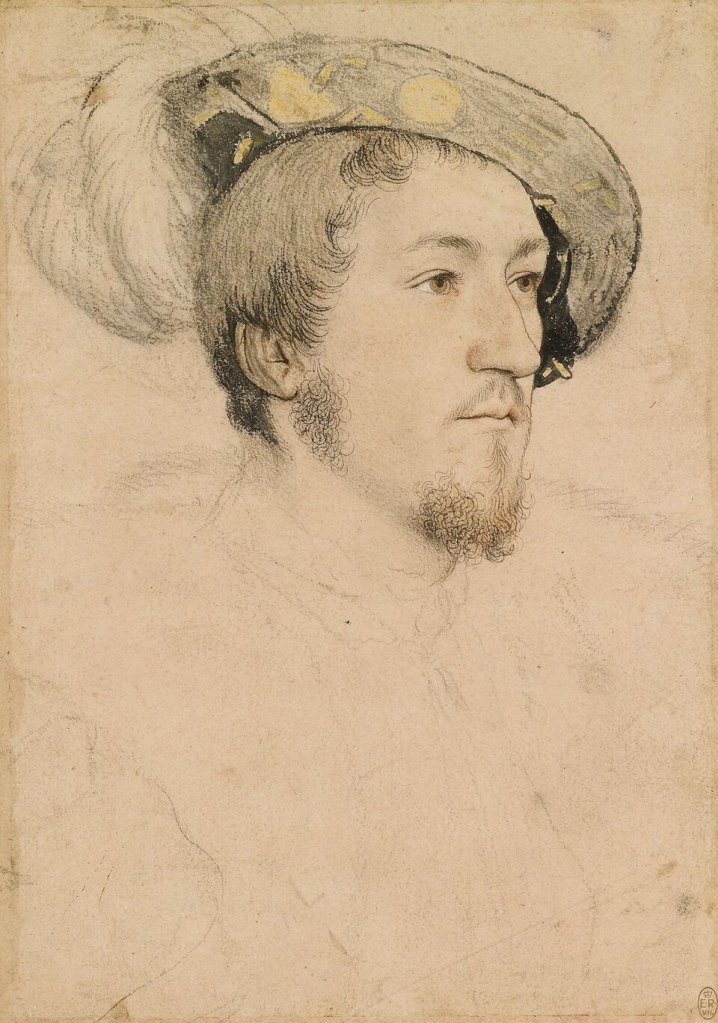
Anne and George Boleyn — the sister and brother whose lives became deeply entwined with Jane Boleyn, Lady Rochford. Through marriage, service, and the shifting politics of Henry VIII’s court, Jane’s fate rose and fell alongside theirs.
🌸 A Return to Court
After the executions, Jane returned to service — first under Jane Seymour, then Anne of Cleves, and finally Katherine Howard. Her ability to regain favour shows a woman who understood courtly behaviour deeply, who knew how to navigate the delicate balance between loyalty and self‑preservation.
But her final chapter would be tied to yet another queen’s downfall.
🌑 The Tragedy of Katherine Howard
Jane became close to young Queen Katherine Howard, serving as her lady‑in‑waiting. When Katherine sought secret meetings with Thomas Culpeper, Jane helped arrange them — likely under pressure, possibly out of misguided loyalty, or perhaps simply caught in the tide of courtly expectation.
When the scandal broke, Jane was arrested alongside Katherine. This time, she did not escape the consequences.
In February 1542, Jane Boleyn was executed. Her life ended in the same shadowed place where her husband’s had — the Tower of London.
.
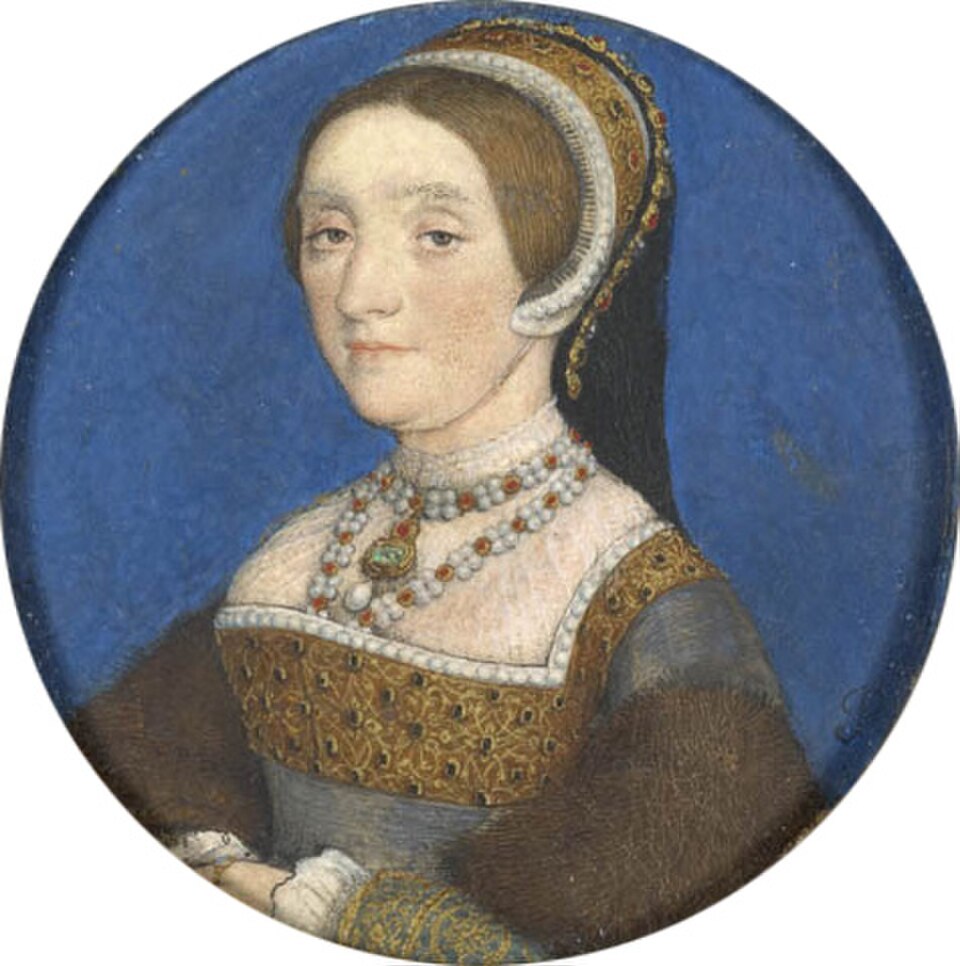
Queen Katherine Howard and Lady Jane Boleyn — two women whose lives became tragically intertwined. Jane served as Katherine’s lady‑in‑waiting and was drawn into the queen’s secret meetings, a connection that ultimately led both women to the Tower of London.
…
🕯️ Remembering Jane Boleyn Gently
History often paints Jane as a villain or a schemer, but the truth is far more human. She lived in a world where women had little power, where survival depended on pleasing those above you, and where one wrong step could end a life.
Jane Boleyn was not a myth or a caricature. She was a woman shaped by duty, fear, loyalty, and the dangerous beauty of Tudor court.
In the candlelight, her story becomes softer — not excusing her choices, but understanding the world that shaped them.
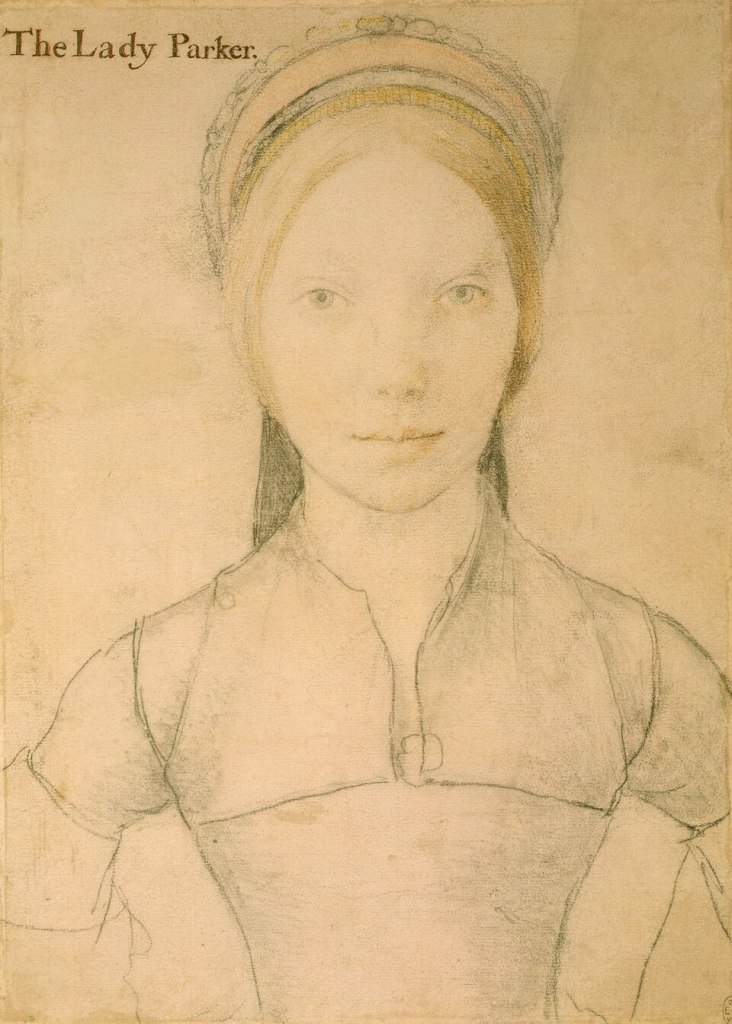
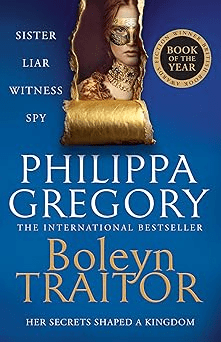
Photo 1. Lady Jane Boleyn, Lady Rochford — traditionally associated with a portrait by Hans Holbein the Younger. A Tudor gentlewoman whose life moved quietly through the candlelit corridors of court, shaped by duty, loyalty, and the dangerous politics of Henry VIII’s reign.
Photo 2. The Boleyn Traitor by Philippa Gregory — a fictional exploration of Jane Boleyn’s life within the Tudor court.”
…
🌿 Closing Reflection
As we look back on Jane’s life, we’re reminded that history is full of complicated souls. Behind every portrait, every record, every whispered rumour, there was a human heart navigating the shadows.
May we remember her not only for the tragedies she witnessed, but for the quiet strength it took to walk the Tudor court at all.
…
What part of Jane Boleyn’s story makes you pause and wonder the most?
 History by Candlelight
Leave a comment