Henry VIII’s Reign: Power, Faith, and Change
Morning light once again touched the walls of Greenwich Palace, but the boy who had grown up there was now a king. Henry VIII stepped into his reign with confidence and curiosity, carrying the hopes of a kingdom on his shoulders. He loved music, learning, and the bright pageantry of court life – yet the choices he would make about faith and power would shape England in ways no one could have imagined. This was a time of bold ideas, deep belief, and a nation on the edge of great change.
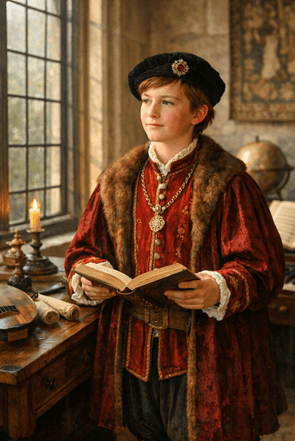
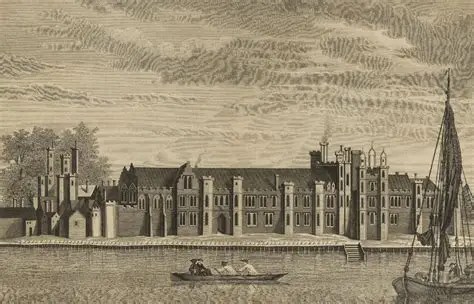
Photo 1.Young Henry VIII at Greenwich Palace (artistic interpretation — created to show Henry’s early life and learning)
Photo 2. Greenwich Palace Site, London (the real place where Henry VIII was born and grew up — now the Old Royal Naval College)
A Kingdom Built on Faith
Before Henry became king, England was a land shaped by faith. Church bells rang through towns and villages, marking the rhythm of each day. People prayed, worked, and celebrated under the same roof of belief. Henry grew up in this world – one where kings were seen as chosen by God. He studied the Bible, listened to priests, and believed that faith and duty belonged together.
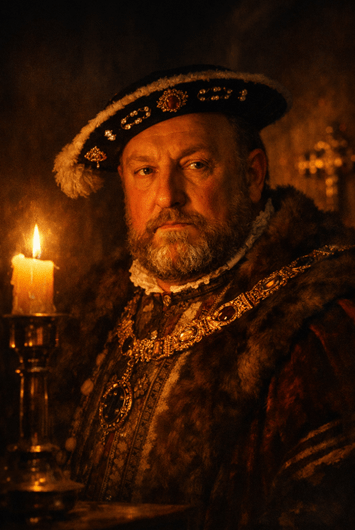
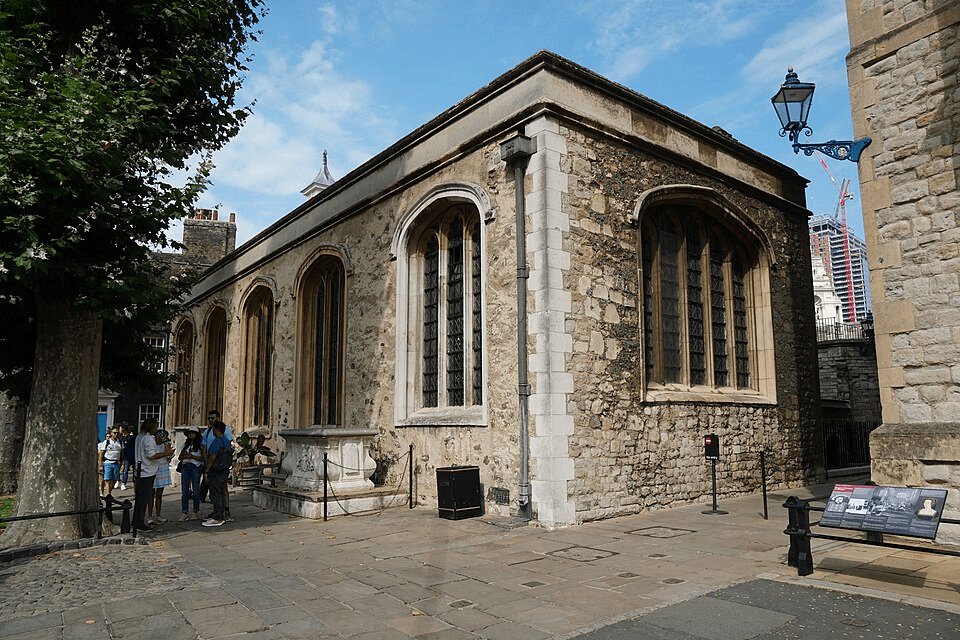
Photo 1. Henry VIII — A Kingdom Built on Faith (artistic interpretation — Henry in his later years, reflecting the deep faith that guided his early rule)
Photo 2. Chapel Royal of St Peter ad Vincula, Tower of London The Tudor chapel forever linked to Henry’s reign — resting place of those who lived and died by his faith. Photo by David (CC BY 2.0). Edited for size.
Henry’s Vision of Kingship
Henry didn’t just want to rule – he wanted to shine. He loved music, tournaments, and grand ceremonies that showed his strength and power. He believed a good king should protect his people and make England proud. To Henry, being king was a calling from God, and he wanted everyone to see him as wise, brave, and chosen.
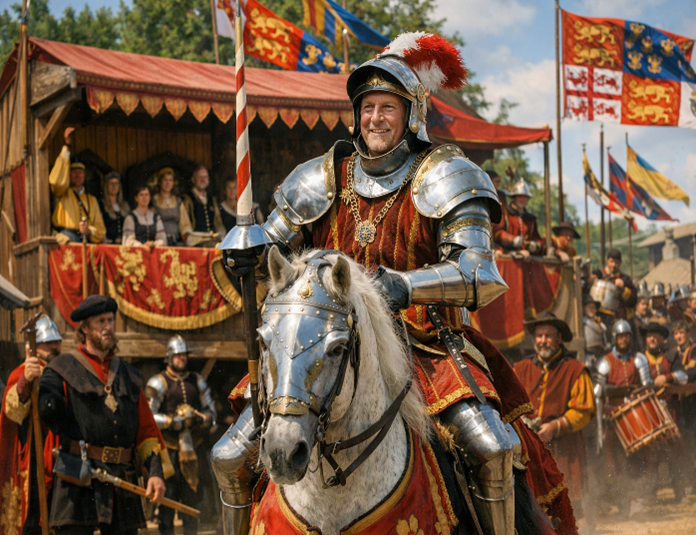
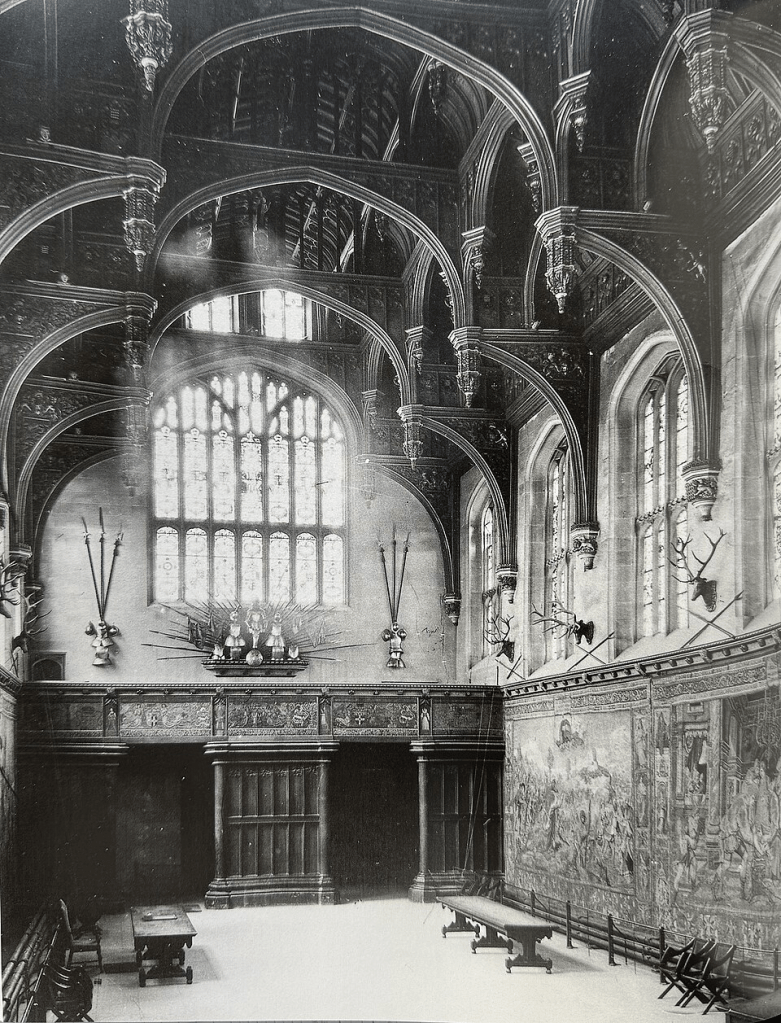
Photo 1. Henry VIII — His Vision of Kingship Music, banners, and belief — a king who saw power as divine purpose.
Photo 2. Great Hall, Hampton Court Palace (c.1890) A real Tudor space built for Henry VIII — where royal feasts, music, and ceremony shaped his vision of kingship. Public domain. Edited for size.
The Break With Rome
As Henry grew older, he began to wonder who should have the final say in England – the pope in Rome or the king himself. He believed that kings were chosen by God and should lead their own countries without outside control. This idea changed everything. England slowly began to separate from the Roman Church, and Henry became head of the Church of England. It was a huge change that touched every part of life – from prayers to schools to the way people saw their king.
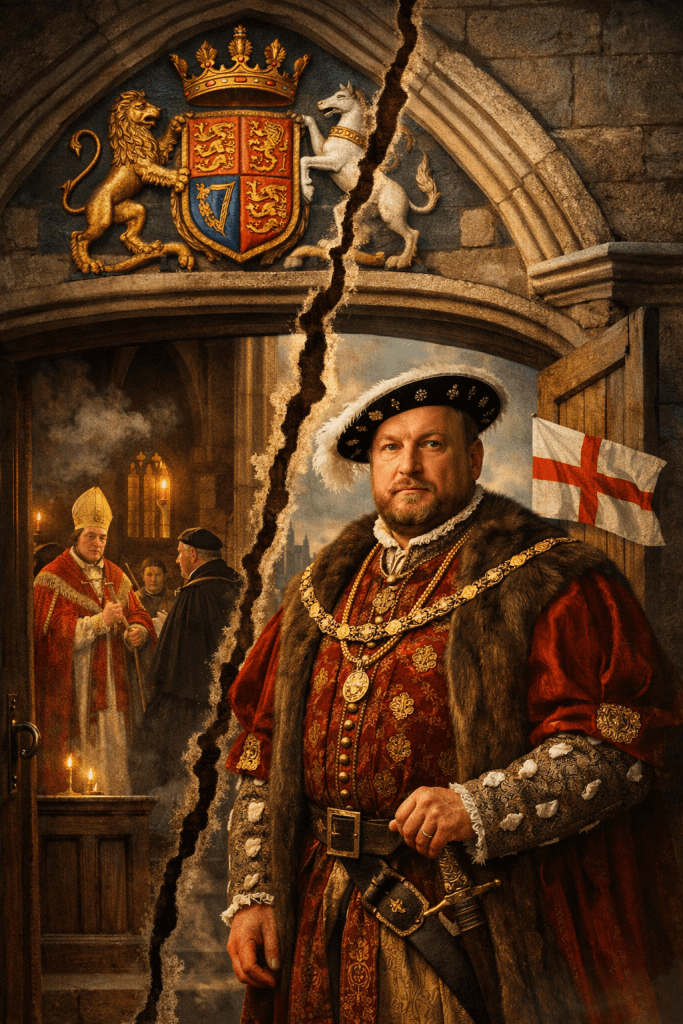
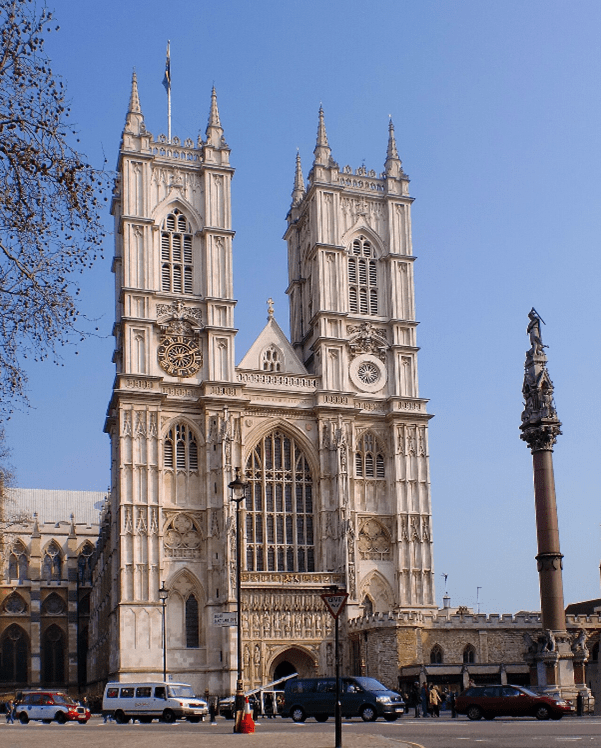
Photo 1. Henry VIII — The Break from Rome (artistic interpretation — Henry asserting his authority over the English Church in 1534)
Photo 2. Westminster Abbey, London A real Tudor‑era church central to England’s religious history during Henry VIII’s break from Rome. Photo by Σπάρτακος, edited by Rabanus Flavus (CC BY‑SA 4.0). Edited for size.
Faith and Change
New ideas spread quickly. Churches looked different. Prayers were said in English, and the Bible was printed so more people could read it.
Some welcomed the changes; others were frightened or unsure. England was becoming a new kind of nation – one shaped by Henry’s belief that faith and power could walk hand in hand.
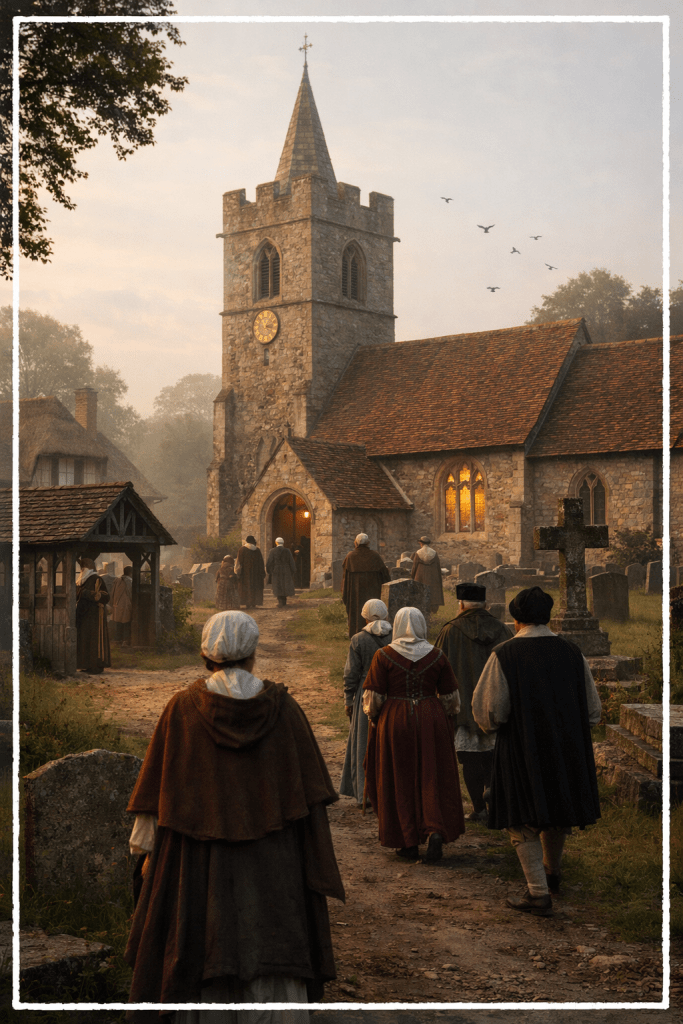
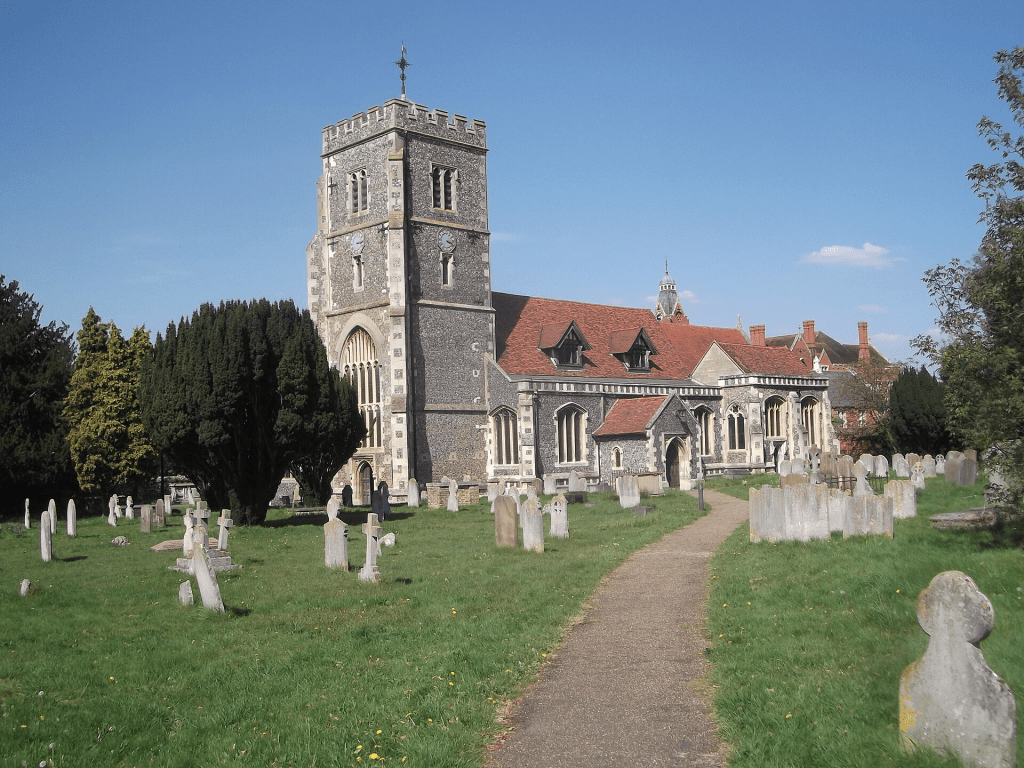
Photo 1. Faith and Change (artistic interpretation — Tudor villagers walking to church as England’s faith begins to change)
Photo 2. St Mary’s Church, Beddington A real Tudor‑era parish church — places like this saw England’s faith shift from Latin to English during Henry’s reforms. Photo by Matt Brown (CC BY 2.0). Edited for size.
Reflection
Henry’s choices changed England forever. He believed he was doing what was right for his people and for God, but his decisions also brought challenge and debate. The world he built was full of both light and shadow – a reminder that even kings must learn, grow, and face the consequences of their choices.
If you were living in Henry’s time, how do you think these changes would have felt? Would you have welcomed them, or wished for things to stay the same?
Imagine being a child in Tudor England when the churches began to change. What might you have noticed first?
Henry believed he was doing what was right for his people and for God. What do you think makes a good leader – then or now?


Leave a comment