
Tudor Glossary
Your quick-reference guide to courtly ranks, legal terms, and everyday Tudor expressions.
Explore an A–Z of Tudor words, titles, and customs, from ‘attainder’ to ‘yeoman’. Each entry unpacks tricky phrases, pronunciation, and context so novels, documents, and dramas from Henry VIII’s world become easier to follow.
Tudor Terms, Clearly Explained
PEOPLE & ROLES
Monarch – The ruler of the country. In Tudor times, this included Henry VIII and Elizabeth I.
Courtier – Someone who lived or worked at the royal court, serving or advising the monarch.
Lady-in-waiting – A noblewoman who attended and supported a queen or princess.
Yeoman – A free man who owned and farmed his own land.
Noble – A wealthy, high-ranking person with titles and land.
Servant – Someone who worked in a household, often doing cooking, cleaning, or running errands.
Apothecary – A person who made and sold medicines and herbal remedies.
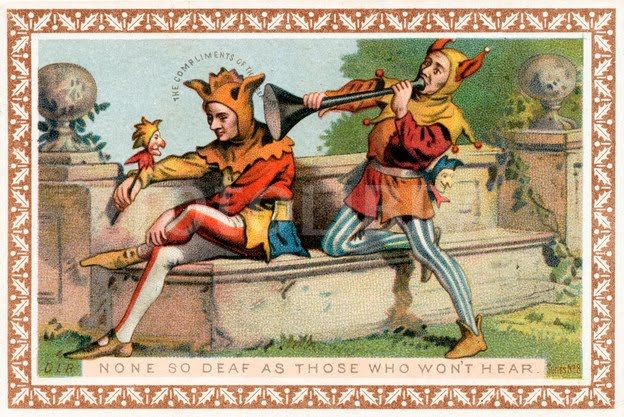
Jester – A performer who entertained the court with jokes, music, and tricks.
PLACES & BUILDINGS
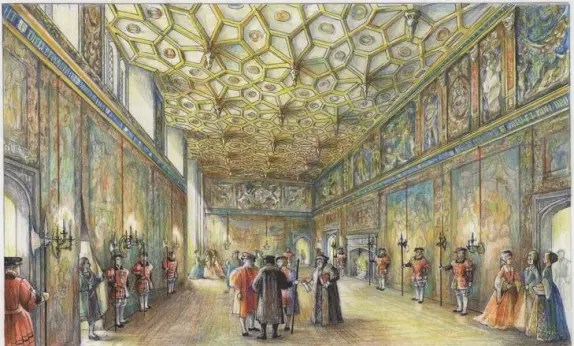
Royal Court – The place where the monarch lived, worked, and held important events.
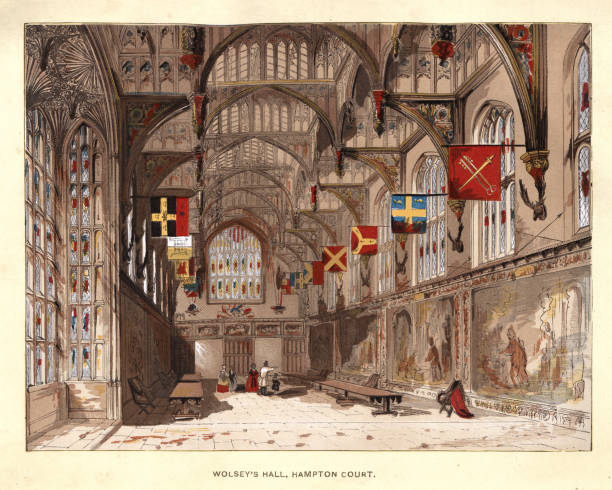
Great Hall – The main room in a Tudor house or palace, used for meals and gatherings.
Privy Chamber – The monarch’s private rooms, where only trusted people were allowed.
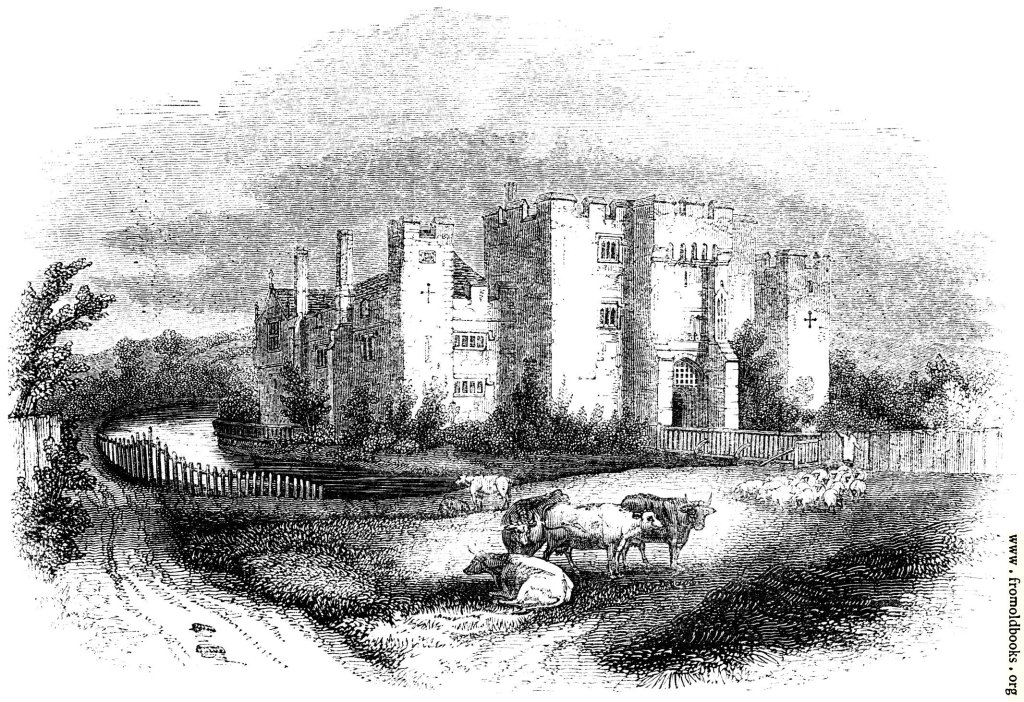
Manor House – A large home owned by a wealthy family.
Guildhall – A building where craftsmen or merchants met and worked together.
CLOTHING & OBJECTS
Doublet – A fitted jacket worn by Tudor men.
Kirtle – A dress or gown worn by Tudor women.
Ruff – A large, stiff, frilled collar worn around the neck.
Gown – A long outer dress worn by women and sometimes men.
Codpiece – A padded covering worn by men over the front of their trousers.
Lute – A stringed musical instrument popular in Tudor times.
FOOD & EVERYDAY LIFE
Banquet – A large feast with many courses of food.
Alehouse – A place where people gathered to drink ale and talk.
Hearth – The fireplace where cooking and heating took place.
Pottage – A thick stew made from vegetables, grains, and sometimes meat.
Rushes – Long grasses used to cover floors instead of carpets.
HISTORY & GOVERMENT
Reformation – The period when England broke away from the Catholic Church under Henry VIII.
Act of Supremacy – The law that made Henry VIII the head of the Church of England.
Dissolution of the Monasteries – When Henry VIII closed monasteries and took their land and wealth.
Succession – The order in which people inherit the throne.
Treason – A serious crime of acting against the monarch.
Contribute
Suggest new entries or ask for clearer explanations, and help other readers untangle Tudor history.
We read every suggestion with care.
Please contact historybycandlelight@hotmail.com

 History by Candlelight